
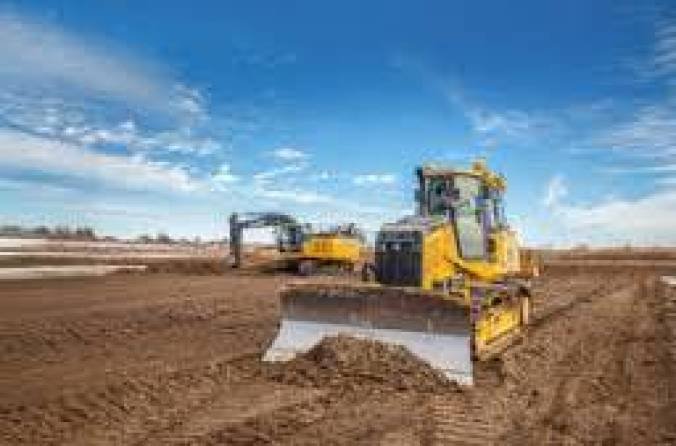
Large-scale infrastructure projects are accelerating across the globe, creating strong demand for heavy equipment, fleet trucks, and specialized machinery. From highways and bridges to energy facilities and urban development, governments and private investors are committing billions of dollars to modernize infrastructure and support economic growth.
This surge in activity is not only reshaping cities and transportation networks but also transforming the heavy equipment marketplace. Platforms like Zyfleet are seeing increased demand from contractors and companies looking to buy, rent, or lease the machinery required to complete these ambitious projects.
Growing Investment in Infrastructure
Infrastructure development has become a top priority in many regions as countries aim to improve connectivity, boost trade, and support population growth. Major investments are being directed toward:
- Road and highway construction
- Bridges and tunnels
- Airports and seaports
- Energy and utility infrastructure
- Urban expansion and smart city projects
These developments require a wide range of heavy equipment, from excavators and bulldozers to cranes and fleet trucks.
Impact on Equipment Demand
As infrastructure projects grow in scale and complexity, so does the need for reliable and high-capacity machinery. Contractors are seeking equipment that can handle demanding workloads while maintaining efficiency and safety.
High-demand equipment categories include:
- Earthmoving machinery for site preparation
- Crane systems for lifting and structural work
- Dump trucks and hauling equipment for material transport
- Road construction equipment for paving and finishing
The ability to source this equipment quickly has become critical, especially for projects operating under tight deadlines.
Fleet Expansion and Logistics
In addition to machinery, fleet trucks are playing a crucial role in supporting infrastructure projects. Transporting materials such as concrete, steel, and aggregates requires a well-managed fleet capable of handling continuous operations.
Companies are expanding their fleets with:
- Dump trucks for bulk material hauling
- Flatbed trucks for transporting equipment and materials
- Tanker trucks for fuel and water supply
- Concrete mixer trucks for on-site construction
Efficient fleet management is essential to keep projects on schedule and within budget.
The Role of Digital Marketplaces
With demand rising, digital platforms like Zyfleet are becoming essential tools for sourcing equipment. Instead of relying solely on local suppliers, contractors can now access a broader network of sellers and rental providers.
Benefits of using platforms like Zyfleet include:
- Faster access to available equipment
- Ability to compare prices and specifications
- Flexible options to buy, rent, or lease
- Direct communication with sellers and suppliers
This flexibility is especially valuable for large projects that require equipment on short notice or for specific project phases.
Challenges Facing the Industry
Despite strong growth, infrastructure projects also face challenges that impact equipment demand and availability:
- Supply chain disruptions affecting equipment delivery
- Rising costs of materials and fuel
- Labor shortages in construction and logistics
- Regulatory and environmental requirements
These challenges are pushing companies to adopt more efficient procurement strategies and invest in reliable equipment solutions.
Future Outlook
The outlook for infrastructure development remains strong, with continued investment expected in both developed and emerging markets. As projects become more advanced, the demand for modern, high-performance equipment will continue to grow.
Technological advancements, including automation and smart equipment, are also expected to play a larger role in improving efficiency and reducing operational costs.
Conclusion
Infrastructure projects are driving a new wave of growth in the heavy equipment and fleet industry. As demand increases, businesses must adapt by sourcing reliable machinery, expanding their fleets, and leveraging digital platforms like Zyfleet.
With the right equipment and strategies in place, companies can take full advantage of these opportunities and successfully deliver large-scale projects that shape the future of global infrastructure.
Title
Equipment Rental & Leasing Market Expands as Businesses Shift to Flexible Solutions – Zyfleet
Meta Description
Discover how the equipment rental and leasing market is growing as businesses seek flexible, cost-effective alternatives to ownership.
Article (Long Description)
The equipment rental and leasing sector is experiencing rapid growth as businesses across construction, mining, logistics, and industrial sectors look for more flexible and cost-effective ways to access heavy machinery. Instead of committing large amounts of capital to purchase equipment outright, companies are increasingly choosing to rent or lease based on project needs and timelines.
This shift is transforming how equipment is sourced and managed, with digital platforms like Zyfleet playing a central role in connecting users to a wide range of rental and leasing options.
Why Rental and Leasing Are Gaining Popularity
One of the main drivers behind this trend is financial flexibility. Purchasing heavy equipment requires significant upfront investment, along with ongoing maintenance and depreciation costs. Rental and leasing options allow businesses to access the equipment they need without long-term financial commitments.
Key benefits include:
- Lower upfront costs compared to purchasing
- Access to newer and more advanced equipment
- Reduced maintenance and repair responsibilities
- Flexibility to scale equipment usage based on project demand
This model is particularly beneficial for contractors handling short-term or seasonal projects.
Increased Demand Across Industries
The demand for rental and leasing services is growing across multiple sectors:
- Construction: Contractors rent equipment for specific phases of projects
- Mining: Companies lease specialized machinery for exploration and extraction
- Logistics: Fleet operators rent trucks to handle peak demand periods
- Agriculture and forestry: Seasonal operations rely on temporary equipment access
This widespread adoption is contributing to steady growth in the rental and leasing market.
The Role of Digital Marketplaces
Digital platforms like Zyfleet are making it easier than ever to find and secure rental or lease equipment. Users can browse listings, compare options, and connect directly with providers, all in one place.
Zyfleet offers:
- A wide selection of heavy equipment and fleet trucks
- Flexible rental and leasing options
- Direct communication between renters and providers
- Transparent pricing and equipment details
This streamlined process reduces downtime and helps businesses find equipment quickly.
Short-Term vs Long-Term Leasing
Rental and leasing solutions can be tailored to different operational needs:
- Short-term rentals: Ideal for immediate or temporary use
- Long-term leases: Suitable for ongoing projects without full ownership
- Rent-to-own options: Provide a pathway to ownership over time
These options give businesses greater control over how they manage their equipment fleets.
Market Trends and Future Growth
Several trends are shaping the future of the rental and leasing industry:
- Increased adoption of digital platforms for sourcing equipment
- Growing demand for fuel-efficient and environmentally compliant machinery
- Expansion of rental fleets by equipment providers
- Integration of technology for tracking and managing equipment usage
As these trends continue, the rental and leasing market is expected to become even more competitive and accessible.
Challenges to Consider
While rental and leasing offer many advantages, there are also challenges:
- Availability of equipment during peak demand periods
- Logistics and transportation costs
- Ensuring equipment quality and reliability
- Understanding contract terms and conditions
Businesses must carefully evaluate their options to ensure they choose the right solution for their needs.
Conclusion
The shift toward rental and leasing is reshaping the heavy equipment industry. With increased flexibility, lower costs, and access to modern machinery, more businesses are moving away from traditional ownership models.
Platforms like Zyfleet are at the forefront of this change, providing a convenient and efficient way to connect with equipment providers. As demand continues to grow, rental and leasing will remain a key strategy for companies looking to stay competitive and adaptable in a fast-changing market.